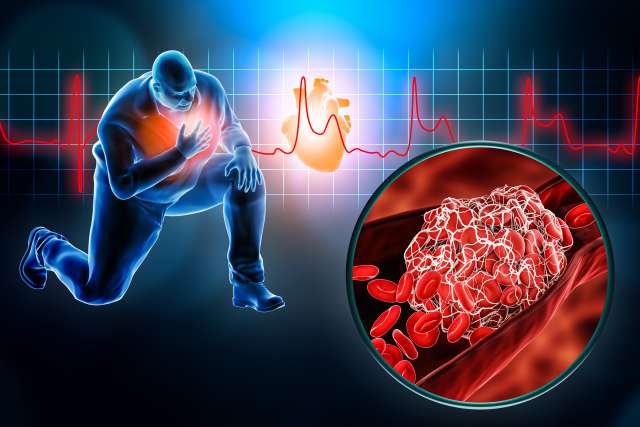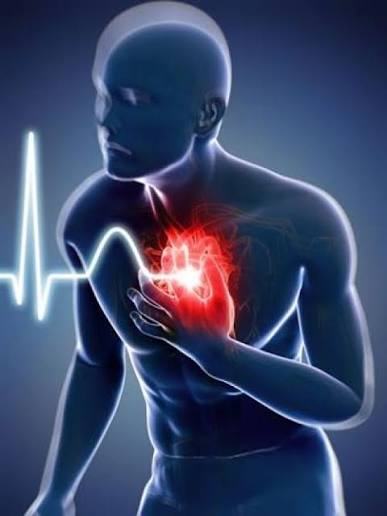
Heart disease has long been known as a “silent killer” because it often strikes without warning and can result in sudden death.
In the past, heart disease was commonly associated with older adults. However, the reality today is that it no longer discriminates by age. In Malaysia, cases of sudden death caused by heart disease among young people are becoming increasingly alarming.
Consultant Cardiologist Prof. Dr. Imran Zainal Abidin from UM Specialist Centre (UMSC), a quaternary-care hospital, stated that 20 years ago, heart attacks were more commonly seen among individuals in their 50s and 60s.
Today, however, many patients are in their 30s and early 40s. This worrying trend is also increasingly observed among women, despite the fact that the hormone estrogen generally provides protection against coronary heart disease before menopause.
According to Dr. Imran, even more concerning is the growing incidence of Sudden Cardiac Death (SCD) among individuals who appear healthy and active, including athletes.
“Although SCD accounts for only about one percent of all heart-related deaths, it attracts significant attention because it occurs during the most productive years of life and often without clear warning signs,” he said.
He explained that individuals in their 30s and 40s are most frequently diagnosed with coronary artery disease, which is caused by the buildup of cholesterol plaques along the walls of the arteries.
Meanwhile, people in their 20s and 30s are increasingly being diagnosed with cardiomyopathy, a disease affecting the heart muscle itself, or hypertrophy, which refers to an enlargement of heart muscle cells.
“In addition, some young people, particularly men, are diagnosed with genetically inherited heart conditions such as Brugada Syndrome, which disrupts the heart’s electrical activity and can lead to dangerous and irregular heart rhythms.
“Long QT Syndrome, which is more commonly found among women and can begin during childhood or adolescence, is another heart rhythm disorder that may cause rapid and uncontrolled heartbeats,” he explained.
Among older adults, heart problems usually occur because the heart becomes weaker with age.
Regarding the causes of heart disease, Dr. Imran stated that unhealthy lifestyle habits, smoking, stress, insufficient sleep, obesity, and diabetes are among the major contributing factors increasingly found among younger individuals.
Early Symptoms of Heart Disease
Dr. Imran explained that the early signs and symptoms of coronary heart disease differ between younger and older individuals.
For younger people, symptoms are often subtle or absent altogether. They may only experience fatigue, shortness of breath during exercise, or mild chest discomfort.
For older adults, symptoms tend to be more obvious and may include severe chest pain, excessive sweating, dizziness, or fainting.
Therefore, individuals who experience symptoms or have a high-risk profile—such as a family history of heart disease or sudden death—should seek medical evaluation immediately.
Family history plays a significant role. If parents or siblings have experienced heart disease, the risk for other family members is significantly increased.
Important screening tests include:
- Electrocardiogram (ECG)
- Echocardiogram
- Cardiac Stress Test
- Coronary Calcium Score Assessment
These examinations can help detect heart conditions early, particularly genetic heart disorders that may benefit from prompt treatment.
Treatment and Lifestyle Changes
Once diagnosed with heart disease, the first priorities are controlling blood pressure, cholesterol levels, and blood sugar.
Patients should take medications as prescribed by their doctors and adopt comprehensive lifestyle changes, including obtaining sufficient sleep—at least seven hours per night.
Treatment depends on the severity of the condition.
- Early-stage disease: Medication, lifestyle modification, and management of risk factors.
- Moderate disease: Angioplasty to open or widen narrowed or blocked coronary arteries.
- Critical disease: Coronary artery bypass surgery or, in certain cases, heart transplantation.
Dr. Imran noted that advances in medical technology now allow for more precise treatments and faster recovery. However, prevention remains the most effective strategy.
Preventive measures include:
- Following a healthy diet rich in vegetables and fruits
- Reducing sugar and salt intake
- Exercising at least 150 minutes per week
- Quitting smoking and vaping
- Undergoing regular health screenings
The Critical Hours for Heart Attacks
Dr. Imran also addressed the common misconception that exercising at night causes heart attacks.
He emphasized that the time of exercise itself is not the issue. The greater risk comes from engaging in physical activity without proper warm-up, particularly among individuals who rarely exercise.
“However, the most critical period for heart attacks is between 4:00 a.m. and 6:00 a.m. During this time, the body is usually resting or asleep, and blood vessels are naturally more constricted because oxygen demand is lower.
“When a person suddenly wakes up and immediately performs physical activities, such as brisk walking to a mosque or prayer hall, blood flow increases rapidly. Cholesterol plaques in already narrowed arteries may rupture.
“The ruptured plaque can combine with blood to form a clot, which blocks the artery and ultimately triggers a heart attack.
“That is why warming up before any physical activity is extremely important,” he explained.
He added that in cases where individuals collapse or die while exercising, the cause is often not the time of day but an underlying heart condition.
Dr. Imran advises everyone to be aware of their family medical history, especially if there is a history of heart disease or sudden death, and to undergo early screening.
He also encouraged the public to pay attention to symptoms, consult healthcare professionals, and avoid relying solely on information obtained through social media.
“Most importantly, people should have the courage to undergo health screenings. If a condition is diagnosed, there are treatments available.
“Many people avoid medical examinations because they fear receiving a diagnosis, but in reality, delaying screening poses a far greater risk,” he said.
Date of Input: 18/06/2026 | Updated: 18/06/2026 | lailatul
MEDIA SHARING