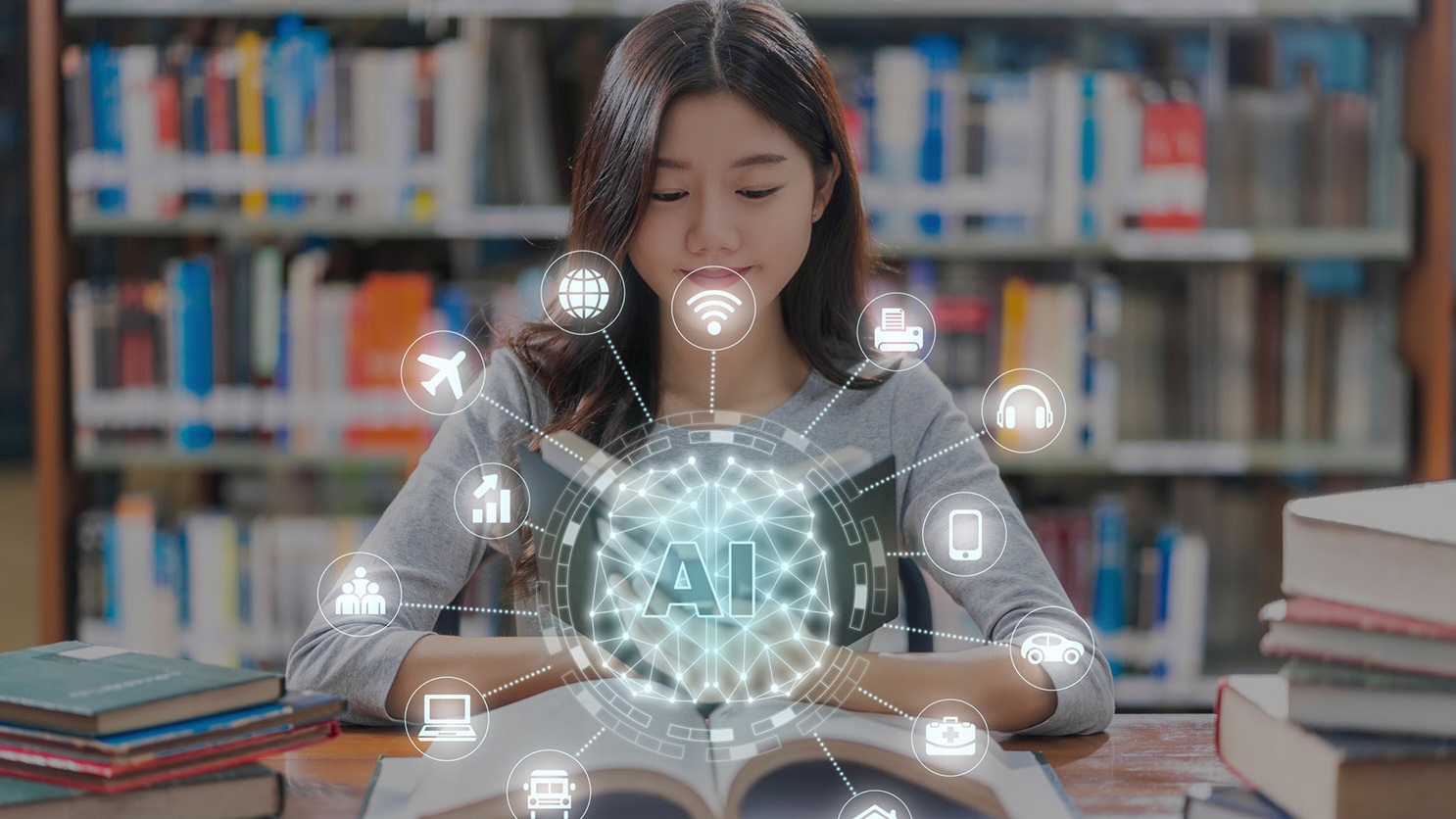
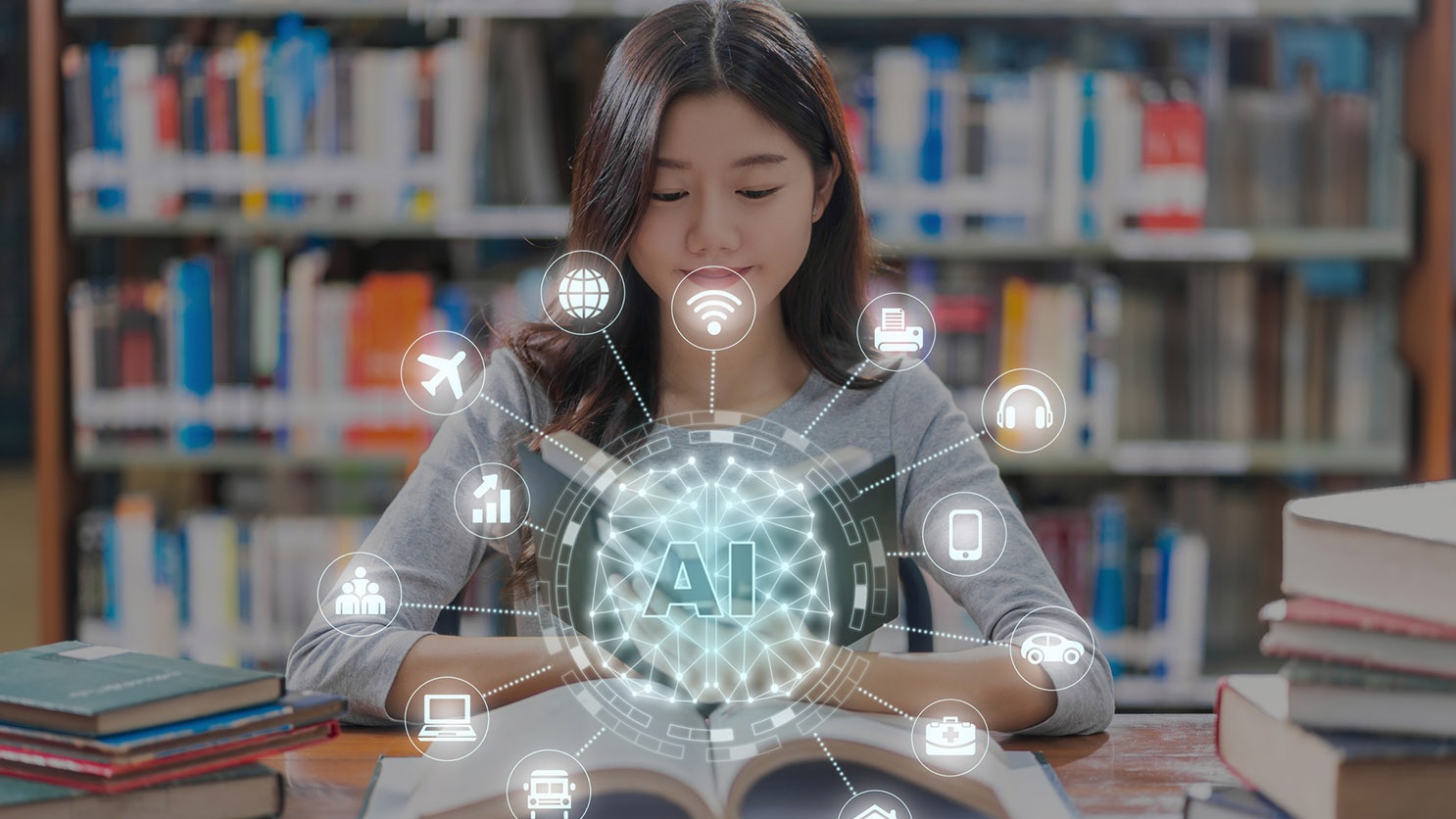
The use of Artificial Intelligence (AI) in education opens up opportunities for educators to ensure that teaching and learning processes are more effective, engaging, and efficient.
Senior Lecturer at the Faculty of Data Science and Computing, Universiti Malaysia Kelantan (UMK), Dr. Fakhitah Ridzuan, said that AI can assist lecturers in preparing more interactive teaching materials as well as suggesting supporting activities that can enhance lesson delivery.
“AI not only helps lecturers organize and present content more effectively, but it also assists students in understanding lessons when the content is tailored to their individual needs.
“In general, a classroom consists of students with varying levels of understanding and learning abilities, making the use of AI increasingly important,” she said in a statement.
Dr. Fakhitah explained that with the support of AI technology, learning can become more personalized, providing students with more relevant and effective learning experiences by taking into account their learning styles and levels of comprehension.
She added that AI can continuously analyze students’ performance, provide fast and accurate feedback, and recommend interventions to improve their academic achievement.
“Lecturers must also ensure that the assessment methods used are appropriate for measuring students’ understanding and skills objectively and fairly, while making use of the data collected to guide decisions related to students’ education and career pathways.
“We can now plan academic and research activities based on data, which helps avoid unnecessary costs and resource wastage,” she said.
Dr. Fakhitah emphasized that universities must play an important role in ensuring that students understand how to use AI correctly, ethically, and responsibly.
“There are many AI platforms that are freely accessible, which may cause students to rely entirely on AI without applying critical thinking. AI is a tool that should assist us, not control us,” she said.
Meanwhile, Director of the Institute of Artificial Intelligence and Big Data (AIBIG) at UMK, Dr. Muhammad Akmal Remli, stated that the use of AI within the research ecosystem of higher education institutions can maximize research effectiveness by assisting with tasks such as literature reviews, proposal writing, and data analysis more quickly and efficiently.
He noted that the rapid growth of AI adoption has also expanded into the industrial sector through various initiatives aimed at maximizing productivity, reducing operational costs, and improving efficiency.
“At the same time, there are industries that remain relatively traditional and require more time, expertise, and resources to transform their operations,” he said, emphasizing the importance of strong collaboration between universities and industry to fully leverage the potential of AI.
Dr. Muhammad Akmal also highlighted that the rapid advancement of the global AI ecosystem presents significant opportunities for academic institutions to strengthen their internationalization agenda by offering competitive AI-focused academic programs at the Bachelor's, Master's, and Doctoral levels.
“Institutions in Malaysia must place greater emphasis on high-quality AI education and research in order to attract international students and produce graduates who are not only highly skilled but also possess strong character and ethical values,” he said.
He further stated that the long-term impact of proper AI adoption would contribute significantly to national development and economic growth, enabling Malaysia to compete more effectively on the global stage.
“If AI technology can be implemented effectively and guided by the right framework at all levels of higher education institutions, we will be able to compete globally by producing talents with advanced thinking skills, innovative mindsets, and entrepreneurial capabilities.
“It would be a tremendous loss if our education system only produces AI users rather than innovators capable of competing internationally,” he said.
Date of Input: 18/06/2026 | Updated: 18/06/2026 | lailatul
MEDIA SHARING